UN Panel Says Israel’s Detention of Syrians May Amount to War Crimes
Investigators told the U.N. Human Rights Council that 49 Syrians, including two children, had been identified as detained by Israeli forces inside Syria and believed transferred across the border.
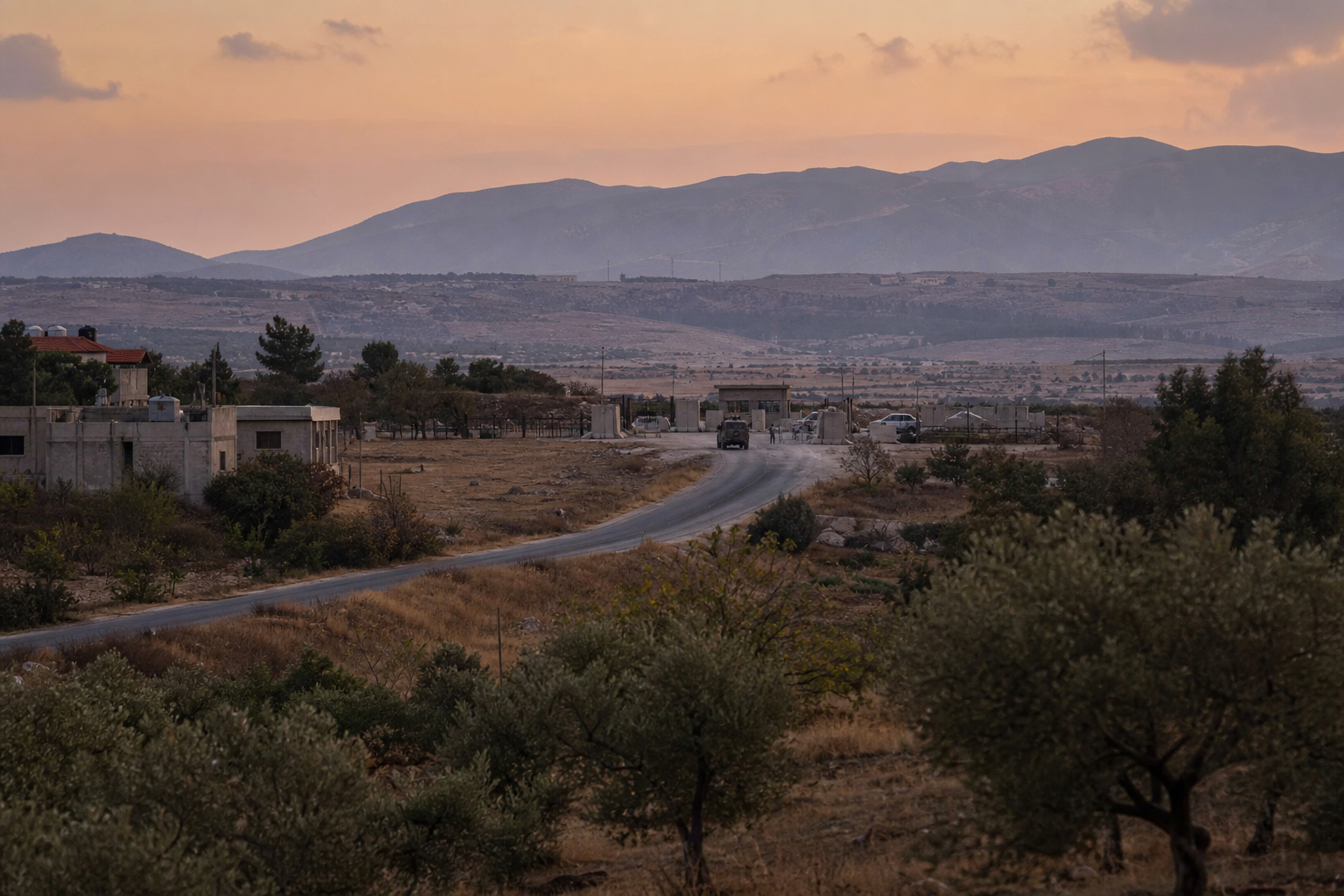
Investigators told the U.N. Human Rights Council that 49 Syrians, including two children, had been identified as detained by Israeli forces inside Syria and believed transferred across the border.
A United Nations commission investigating abuses in Syria warned Tuesday that Israeli military operations in the country’s south — particularly the detention and apparent cross-border transfer of Syrian civilians — may amount to war crimes.
The warning is not a criminal conviction, an indictment or a final legal finding. But it is a consequential assessment from the U.N.’s Independent International Commission of Inquiry on Syria: a body created by the Human Rights Council to investigate alleged violations by all sides in Syria’s long conflict. Its commissioner, Fionnuala Ní Aoláin, said the panel had identified 49 people, including two children, detained by Israeli forces on Syrian territory as of June 2026 and believed to have been transferred across the border.
That allegation matters because transferring protected civilians out of occupied territory can violate international humanitarian law. The commission also said some detainees were being held incommunicado, a condition that can block family contact, legal access and independent monitoring while heightening the risk of torture or other ill-treatment.
Israel rejected the commission’s characterization, accusing it of holding an “Israel-bashing session.” Israel said it has no territorial aspirations in Syria and described its presence as a temporary buffer zone needed to protect Israeli citizens from security threats.
What Happened
Speaking to the Human Rights Council in Geneva on September 8, Ní Aoláin said Israeli military activity in southern Syria had become “increasingly sustained and entrenched.” She described recurring ground incursions, patrols, raids and searches, along with a network of temporary checkpoints and fixed military infrastructure in the southern Syrian provinces of Quneitra and Daraa.
The commission said those actions have substantially affected civilians and contributed to displacement. It characterized Israel’s presence as a belligerent occupation — a legal term that turns on effective control of territory during an armed conflict, not a political slogan.
The immediate focus of the war-crimes warning was detention. The commission said Israeli forces had interrogated and detained hundreds of Syrian residents, including minors. Its investigators had individually identified 49 detainees by June, including two children, who were detained in Syria and believed transferred into Israel.
The distinction is essential. The commission did not say every Israeli military action in Syria is a war crime. It said that particular conduct, including the detention and apparent transfer of civilians across an international border, may meet the legal threshold for war crimes. The panel’s public update does not establish individual criminal responsibility, which would require a separate judicial process and evidence tied to specific commanders or personnel.
Why It Matters
Israel moved forces into the U.N.-monitored buffer zone between Israel and Syria after the collapse of Bashar al-Assad’s government in December 2024. Israel said the deployment was a temporary security measure during a volatile political transition in Syria. Since then, Israel has carried out hundreds of strikes on Syrian military infrastructure and taken positions farther inside Syrian territory, according to Reuters.
Syria and the United Nations have said the deployment violates Syrian sovereignty and the 1974 disengagement agreement that established the buffer zone after the 1973 Arab-Israeli war. Israel says the activity is necessary to prevent hostile forces from threatening its northern border.
Those competing security and sovereignty arguments do not erase the laws governing occupation and detention. International humanitarian law permits an occupying power to take certain security measures. It does not give a military a blank check to remove protected civilians from occupied territory, hold people without contact with the outside world, or subject detainees to abuse.
The commission’s finding therefore raises two separate questions. First: whether Israeli forces have exercised sufficient control in parts of southern Syria for occupation law to apply. Second: whether the detentions, transfers and conditions of confinement violated the specific protections that law affords civilians. The panel’s position is that the evidence it has gathered warrants serious alarm on both fronts.
The Receipts
The commission’s account rests on its investigation of activity in Quneitra and Daraa, including visits by commissioners to affected communities. Ní Aoláin said residents described bewilderment at Israeli operations while Syrians attempt to rebuild after Assad’s fall.
The panel reported fixed military infrastructure and temporary checkpoints on Syrian territory, as well as repeated raids, searches and patrols. It identified 49 named or otherwise individually documented detainees as of June. That figure should not be confused with the commission’s broader assertion that hundreds of residents have been interrogated or detained; the 49 figure is the group investigators said they had specifically identified.
The commission also reported that some detainees were held incommunicado and said their apparent transfer from Syria into Israel raised concerns of torture or ill-treatment. It did not publicly release a complete list of the detainees, their current locations, the grounds asserted for each detention, or a full evidentiary record. That means the public has enough information to understand the gravity of the allegation, but not enough to independently adjudicate every individual case.
Israel’s Response
Israel’s mission in Geneva said the commission’s session was biased and insisted Israel has no territorial ambitions in Syria. It said Israel maintains a temporary buffer zone covering 0.1% of Syrian territory to protect its population from documented security threats.
That response addresses Israel’s stated rationale for its military presence. It does not, based on the public account of the exchange, provide a case-by-case explanation for the 49 alleged detentions or rebut the commission’s concern that Syrians were transferred out of territory under Israeli control.
Security claims can be relevant to whether a detention was necessary. They do not by themselves settle whether the detention was lawful, whether a person was transferred unlawfully, or whether detainees were afforded required protections.
The Bottom Line
The U.N. commission has not declared Israel criminally liable for war crimes in Syria. It has made a narrower but grave finding: documented Israeli conduct in southern Syria, especially the detention and suspected transfer of civilians, may amount to war crimes and requires scrutiny rather than dismissal.
Israel’s security concerns are real claims that deserve examination. So does the government’s obligation to explain what happened to civilians detained on Syrian land, where they were taken, what legal process they received and whether their rights were protected. A government invoking border security still has to obey the law.
What Happens Next
The commission is expected to continue collecting testimony and other evidence for future reports to the Human Rights Council. It can document conduct, identify patterns and recommend accountability measures, but it cannot itself prosecute anyone.
Whether these allegations produce legal consequences will depend on evidence preservation, access to detainees, cooperation by governments and the availability of a court or jurisdiction able to take up specific cases. For now, the most urgent unresolved fact is the status of the Syrians the commission says were detained: where they are, whether their families and lawyers can reach them, and whether Israel will provide a documented legal basis for their confinement and transfer.
REPORTING SOURCES
Sources used for the original report.