Oil Surges Above $105 as U.S.-Iran Tanker War Deepens the Economic Fallout
A new round of attacks on oil shipping has driven the global benchmark above $105 a barrel, threatening higher fuel costs and renewed inflation pressure for Americans just weeks before the 2026 midterms.
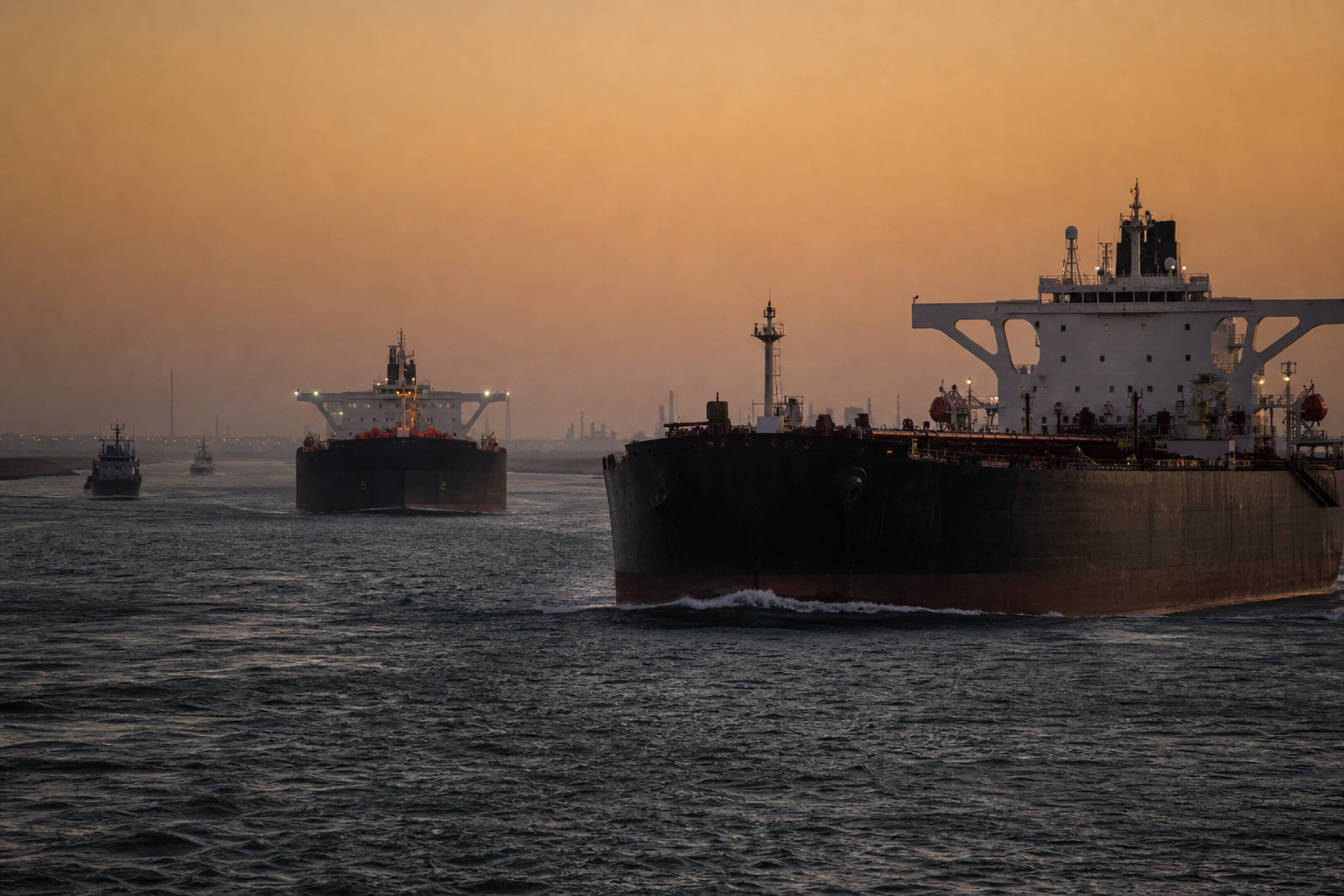
A new round of attacks on oil shipping has driven the global benchmark above $105 a barrel, threatening higher fuel costs and renewed inflation pressure for Americans just weeks before the 2026 midterms.
Global oil prices broke above $105 a barrel Thursday, September 10, after a fresh escalation in the U.S.-Iran war put more energy infrastructure and shipping at risk. The immediate market result is clear: the conflict is again raising the cost of the commodity that touches nearly every part of the American economy, from gasoline and diesel to air travel, freight, food distribution and manufacturing.
Brent crude, the international oil benchmark, climbed more than 6% and crossed $105 for the first time since May, according to market reporting. The move followed days of fighting involving Iranian oil tankers, commercial shipping and U.S. military forces near the Strait of Hormuz and the Gulf of Oman. (apnews.com)
The price spike is not just a story about traders reacting to headlines. It reflects a real supply-and-shipping problem in one of the world’s most important oil corridors—and it arrives as global inventories have already been falling. The Energy Information Administration said Wednesday that it expects world oil inventories to keep declining through the end of 2026 because disruptions to Middle East production and trade have persisted. (eia.gov)
What happened
The latest escalation came after U.S. Central Command said it destroyed five Iranian crude-oil carriers on September 8. CENTCOM said the action followed two attempted ballistic-missile attacks by Iran’s Islamic Revolutionary Guard Corps against a U.S. Navy warship. The military said it ordered the tankers’ crews to abandon ship before striking the vessels.
That is the U.S. government’s account of the operation; it has not been independently adjudicated in a court or by an outside international body. But the military’s announcement itself documents a consequential expansion of the conflict into oil transport. CENTCOM identified four vessels struck in the Gulf of Oman and one near Kharg Island, a major Iranian oil-export hub. (centcom.mil)
Markets are pricing in the possibility that these attacks will further restrict the flow of crude through or around the Persian Gulf. The Strait of Hormuz is a vital route for oil exports, and even where physical barrels are still moving, shipping risks can mean higher insurance costs, delayed voyages, scarce tankers and more expensive alternative routes.
That distinction matters. A barrel quoted above $105 is not a national average gasoline price, and it does not automatically translate into an identical increase at every U.S. pump. Refiners, fuel distributors, state taxes, local competition and inventories all shape what drivers pay. But sustained crude-price increases usually work their way through the fuel system—and diesel can spread the pressure far beyond gas stations.
Why it matters
The United States produces enormous amounts of oil, but it is not insulated from a global crude market. American households and businesses buy fuel priced within a system affected by international benchmarks, shipping constraints and refinery economics. A price shock abroad can therefore raise costs at home even while domestic production remains high.
The EIA’s September outlook, released September 9, forecast Brent crude at about $90 per barrel on average in the second half of 2026—already $8 higher than the agency’s prior-month forecast. That projection was completed on September 3, before this week’s reported destruction of tankers and the latest jump above $105. (eia.gov)
The agency projected global oil inventories would fall by an average of 3 million barrels per day in the third quarter and 1.7 million barrels per day in the fourth quarter. Declining inventories leave less cushion when a war interrupts supply, damages assets or makes traders doubt whether shipments can safely reach buyers. (eia.gov)
The White House has promoted record U.S. oil and gas production and petroleum-product exports as evidence that the administration has strengthened American energy security. Those production figures may matter over the long run. They do not erase the near-term exposure created when a military conflict endangers a chokepoint used by multiple major exporters.
In other words, more domestic production can help cushion shocks; it cannot guarantee that Americans are immune when global supply routes are threatened. The administration is now confronting the political and economic consequences of that gap as voters prepare to choose a new Congress in November.
The receipts
The central evidence is not a partisan talking point. It is a sequence of documented developments: oil-market reporting showed Brent surpassing $105 Thursday; CENTCOM publicly described its September 8 destruction of five Iranian crude carriers; and the EIA’s own September outlook described a market facing continued inventory drawdowns and prolonged Middle East supply disruption. (apnews.com)
Those facts do not establish that any one military action alone caused Thursday’s price. Oil markets move on expectations, and the price reflects accumulated risks from a war that has constrained regional flows for months. But this week’s attacks materially intensified the risks that traders are pricing: the possibility of more lost supply, more disrupted shipping and a longer conflict.
The EIA also shows why the timing is politically difficult. Its prior outlook projected a 2026 U.S. average retail gasoline price of $3.78 per gallon, higher than both 2024 and 2025. That is a forecast rather than a guarantee, and it predates the newest surge. Still, it underscores that the administration entered this escalation with consumer fuel costs already expected to run above recent annual averages. (eia.gov)
What happens next
Thursday’s delayed weekly EIA petroleum report will offer a new read on U.S. crude and fuel inventories after the federal holiday schedule shifted the release. Traders, refiners and consumers will be looking especially closely at gasoline and distillate stocks, refinery output and crude imports. (eia.gov)
The larger question is military and diplomatic, not technical: whether the United States and Iran pull back from direct attacks on oil-linked assets and shipping, or whether this becomes a more sustained campaign against the energy trade itself. The first outcome could reduce the risk premium embedded in crude prices. The second would make higher fuel, freight and consumer costs more likely.
For now, the price above $105 is a warning, not a final verdict on where oil or gasoline will settle. But the warning is concrete. A war the administration chose to prosecute is again imposing a direct economic risk on households—and that risk is arriving in the middle of a consequential election year.
REPORTING SOURCES
Sources used for the original report.