Medicaid Expansion Accused of Looking Too Electable in Three States
Georgia, Kansas and Texas lawmakers agree the policy’s biggest problem is that voters may understand it immediately.
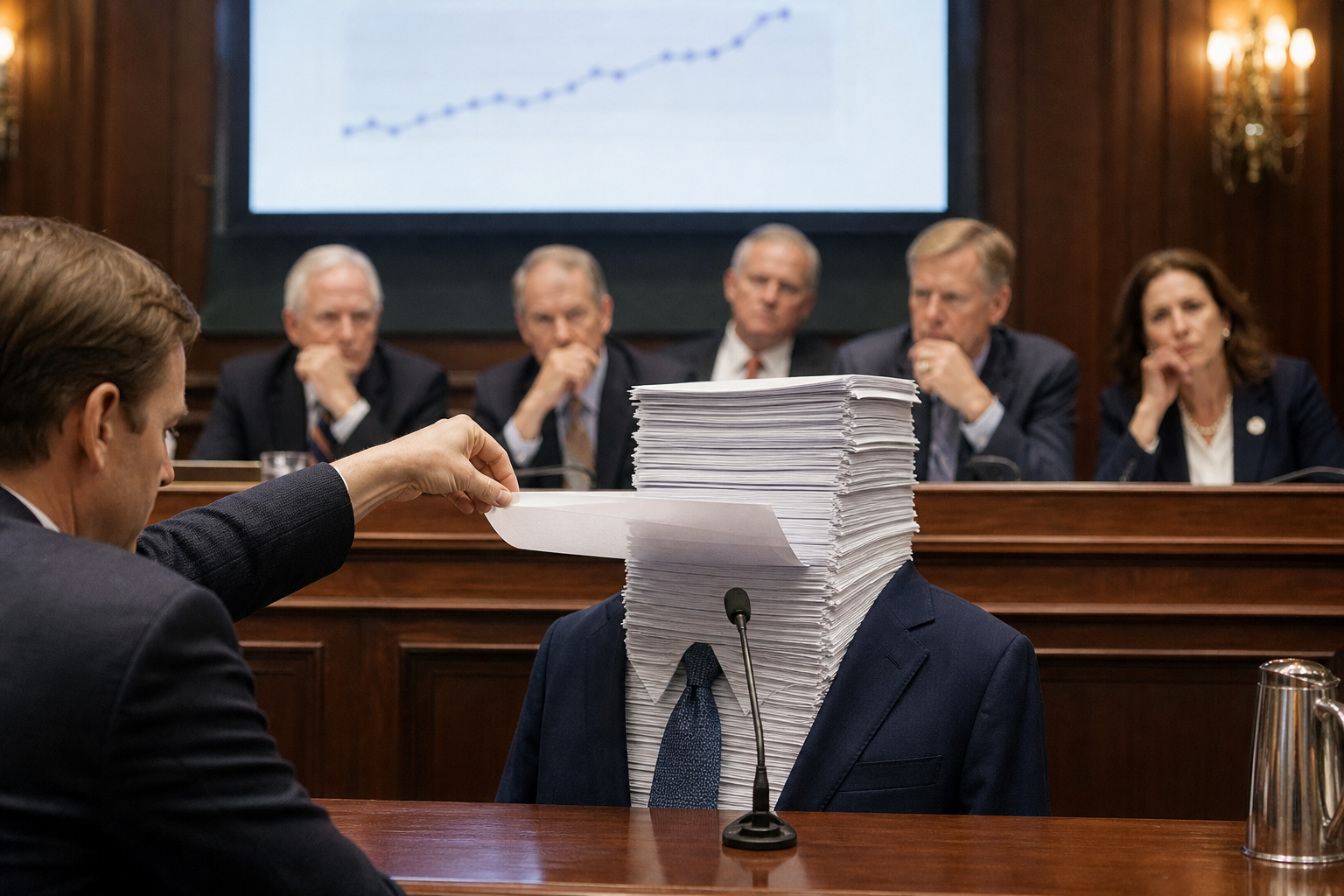
ATLANTA—Medicaid expansion was called before lawmakers in Georgia, Kansas and Texas on Monday to answer allegations that it has become “suspiciously easy to explain” following a midterm election in which health-care costs abruptly began behaving like a political issue.
The policy, which has spent more than a decade waiting outside state capitols with rural hospitals, federal funding and a folder full of increasingly urgent economic studies, arrived wearing a conservative navy suit and trying very hard not to mention that it had just helped candidates win.
“We have concerns,” said a fictional committee chair in Georgia, staring at a chart showing uninsured adults gaining coverage while the federal government paid most of the bill. “When a proposal comes in with this many recommendations, this much prior experience and a clear answer to a problem people keep describing, it raises the question: What is it hiding?”
Medicaid expansion reportedly began its testimony by explaining that it would extend coverage to more low-income adults under the Affordable Care Act. The room went silent. Several legislators asked whether it could possibly make that sound less like a sentence a person might repeat to a neighbor.
“Could you add a Latin phrase?” one member asked. “Or perhaps an eligibility maze that requires an authentic emotional journey?”
Across the three states, the new political problem is not whether Medicaid expansion has opponents. It does. The problem is that its supporters now include the kind of people who make ideological resistance awkward at fundraisers: hospital administrators watching rural facilities buckle, business groups tired of absorbing uninsured-care costs, local officials trying to keep communities from becoming medical deserts, and voters who had the audacity to connect insurance with the price of being sick.
That broad appeal has prompted legislatures to treat the policy less like a health-care decision than an applicant who somehow has perfect grades, excellent references and a personal essay about saving a rural hospital.
“Nobody gets into the State Senate’s Serious Idea Program without demonstrating adversity,” said a fictional Texas consultant hired to toughen the proposal’s image. “We need Medicaid expansion to show us a semester abroad in regulatory ambiguity. Maybe a minor scandal involving a PDF. Right now it just walks in here saying it could cover people and stabilize providers. That’s not character. That’s pandering.”
In Kansas, lawmakers reportedly asked the policy to name its greatest weakness. Medicaid expansion paused for several seconds, then said it had struggled to communicate its value to people whose job security depends on pretending it is still 2013.
The committee immediately praised its honesty and moved to table it for being insufficiently humble.
But the hearings took an unexpected turn after several legislators began privately worrying that, should expansion eventually pass, somebody else might receive credit for it. A closed-door bipartisan working group was quickly formed to develop a version of the policy with enough ceremonial obstacles that every surviving political faction could claim it had personally dragged health coverage across the finish line.
The group’s first draft included a mandatory six-month period in which lawmakers would announce they remained deeply unconvinced while quietly requesting county-by-county estimates of how many constituents might benefit. A second provision would require every press conference to begin with a warning that no one should mistake the policy for compassion until all branding had been finalized.
“The public wants access to affordable care,” said one fictional strategist, lowering his voice. “But they also expect government to make eye contact with them only after a series of preventable procedural failures. We have to respect tradition.”
To restore an appropriate level of mystery, consultants proposed renaming Medicaid expansion the Responsible Coverage Opportunity Framework, then immediately polling whether voters preferred the existing name because it sounded like the thing it was.
That result created a fresh emergency. In all three states, expansion was ordered to submit an adversity essay explaining why it deserved to be popular before lawmakers could consider letting it become useful.
By nightfall, it had produced 400 words on surviving twelve years of people calling it politically impossible while using its absence as a campaign backdrop.
The essay was deemed exceptional, and therefore far too alarming to admit.
Medicaid Expansion Accused of Looking Too Electable in Three States
Georgia, Kansas and Texas lawmakers agree the policy’s biggest problem is that voters may understand it immediately.
WHAT STARTED THIS MESS
The event underneath the joke is real. The SPILL premise, dialogue and escalation above are fictional parody.