Canada Hits U.S. Goods With New Tariffs After Trump’s 50% Levies Escalate Trade War
Ottawa’s counter-tariffs took effect September 8 on U.S. products spanning steel, dairy, appliances and electronics—an immediate cost and supply-chain fight set off by the Trump administration’s latest tariffs on Canadian goods.
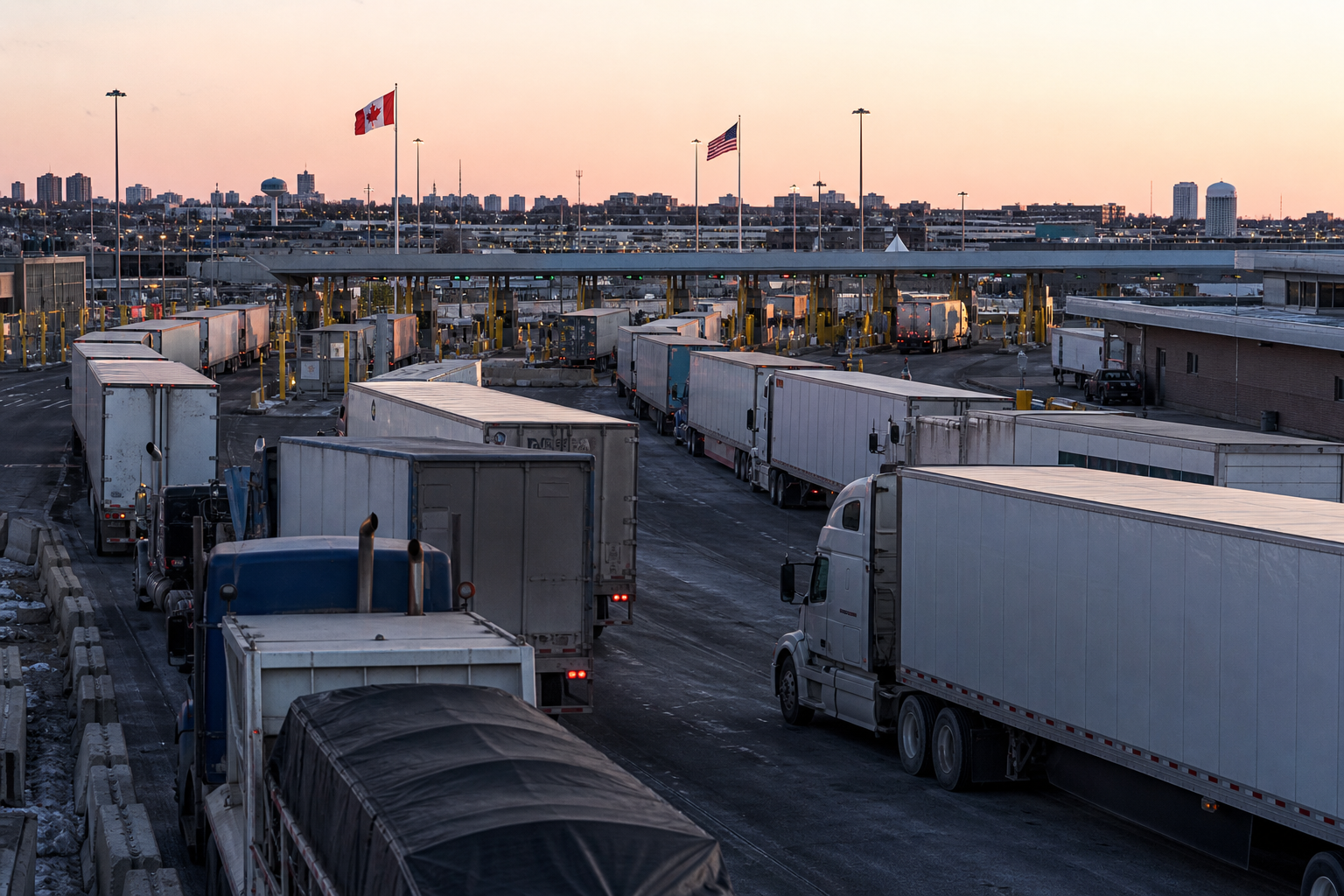
Ottawa’s counter-tariffs took effect September 8 on U.S. products spanning steel, dairy, appliances and electronics—an immediate cost and supply-chain fight set off by the Trump administration’s latest tariffs on Canadian goods.
Canada began imposing new tariffs on selected U.S. goods Tuesday, September 8, answering the Trump administration’s latest 50% tariffs on Canadian products with a deliberately matched retaliation campaign.
The new Canadian surtaxes, which took effect at 12:01 a.m., range from 15% to 50% and cover U.S.-origin products in sectors including steel, dairy, appliances, agricultural equipment, pulp and paper and electronics. Canada says the measures cover $27.6 billion in U.S. imports—the same value it says was hit by Washington’s latest tariffs. (canada.ca)
The immediate effect is not a simple scorecard of which country “wins.” Tariffs are taxes collected at the border from importers. Those companies can absorb the cost, demand lower prices from suppliers or pass some or all of it along through supply chains to businesses and consumers. In an economy as integrated as the United States and Canada, retaliation also creates pressure on companies whose parts, raw materials and customers move across the border.
That is the central point beneath the political rhetoric surrounding the conflict: this is now a policy choice imposing costs on firms and households in both countries, not merely a negotiating threat.
WHAT HAPPENED
President Donald Trump signed proclamations in July imposing additional 50% tariffs on specified Canadian imports under Section 338 of the Tariff Act of 1930. The White House said the action responded to what it characterized as discriminatory Canadian treatment of U.S. motor vehicles, alcohol and dairy products. The covered Canadian goods include categories such as alcohol, dairy-related products, cement and hockey equipment, while several major categories—including energy, potash, critical minerals and products already subject to separate Section 232 tariffs—were excluded. (whitehouse.gov)
Canada says the U.S. duties on $27.6 billion of Canadian goods took effect August 22. After negotiations failed, Prime Minister Mark Carney’s government announced a dollar-for-dollar, rate-for-rate response. The Canadian government has described the countermeasures as targeted rather than universal: they apply to goods originating in the United States, not every product shipped from the United States. Goods already in transit when the measure began are excluded. (canada.ca)
In a July interview tied to the earlier phase of this escalation, former Canadian Finance Minister Chrystia Freeland argued that Canada should negotiate but should not capitulate under tariff pressure. Freeland said the current U.S.-Canada trade framework was negotiated during Trump’s first term and signed by Trump. Her broader assertion—that the United States and Canada are economically stronger working together—is an argument about policy, but the supply-chain stakes are concrete: Canada and the United States remain each other’s deeply connected commercial partners in autos, energy, metals, food and manufacturing.
THE RECEIPTS
The Trump administration’s stated rationale is that Canada treats American commerce unfairly. Its July fact sheet cites Canadian vehicle policies, restrictions on U.S. alcohol in provinces and Canada’s dairy quota system. Those are the administration’s asserted grounds for invoking Section 338, a law that permits presidential action when a foreign country is found to discriminate against U.S. commerce or impose unequal restrictions. (whitehouse.gov)
Canada’s public response does not concede that account. Finance Minister François-Philippe Champagne said in an August 25 release that Canadian officials had suspended negotiations rather than accept terms they believed would undermine Canadian workers, businesses and strategic sectors. The government paired its tariff announcement with promised business and worker support, while retaining relief mechanisms for importers seeking exceptions in particular cases. (canada.ca)
Neither government’s description changes the operational fact: each government has chosen import taxes intended to change the other’s conduct. U.S. importers of covered Canadian products now face the U.S. duty. Canadian importers of covered American goods now face Canada’s surtax. The governments can select targeted products to maximize political or negotiating leverage, but the collection point remains the importer.
WHY IT MATTERS FOR AMERICANS
Canada is not a distant trading partner whose economy can be neatly separated from America’s. Border-crossing supply chains are fundamental to North American auto production, metals manufacturing, agriculture and consumer goods. Repeated tariffs can raise input costs, complicate long-term contracts and encourage companies to redesign sourcing around political risk rather than efficiency.
For consumers, the price effect will vary by product and retailer. A 50% tariff does not automatically mean a 50% jump in a store’s price tag. But it does increase the cost pressure on an importer, and there is no mechanism in either government’s announcement that guarantees the expense will not reach buyers, suppliers or workers.
The Bank of Canada has previously warned that higher U.S. tariffs raise prices in the United States and can also feed inflationary pressure back into Canada through more expensive imported goods and disrupted trade. That does not establish a precise price increase for any one product. It does establish the straightforward economic risk behind a broadening tariff fight: tariffs are not paid by foreign governments; they are collected from companies importing goods. (bankofcanada.ca)
The political stakes are also growing. The Trump administration says tariffs are a tool to secure better market access and support U.S. workers. Canada is betting that matching the measures will make continued escalation costly enough to bring Washington back to serious negotiations. Both positions are now being tested in real time by businesses and voters confronting the consequences.
WHAT HAPPENS NEXT
There is no announced agreement ending the latest round of duties. Canada has said it remains open to a fair comprehensive arrangement, but it has also made clear that its counter-tariffs are meant to remain in place while the U.S. measures do.
The next evidence to watch is more concrete than either side’s messaging: whether negotiations restart; whether either government expands its product lists or grants exemptions; whether affected companies report price, investment or employment changes; and whether the fight spills further into autos, steel, aluminum, energy or agricultural inputs.
For now, the clearest verified development is this: as of September 8, the Trump administration’s tariff escalation has produced a new Canadian tariff regime against American goods. The policy conflict has moved from threats and announcements to invoices, customs entries and supply-chain decisions.
REPORTING SOURCES
Sources used for the original report.