The Microsoft co-founder urged governments to prepare for rapid disruption from artificial intelligence, proposing stronger oversight, support for displaced workers and some roles kept for people.
Bill Gates is urging governments and technology companies to move faster on artificial intelligence safeguards, warning that the technology’s potential benefits could be outweighed by harm if its deployment outpaces public policy.
In a newly published essay, the Microsoft co-founder said AI could improve healthcare, scientific research, education and access to expertise. But he argued that its spread could also eliminate jobs, intensify cybercrime and biological-security threats, and deepen social problems involving children and human relationships.
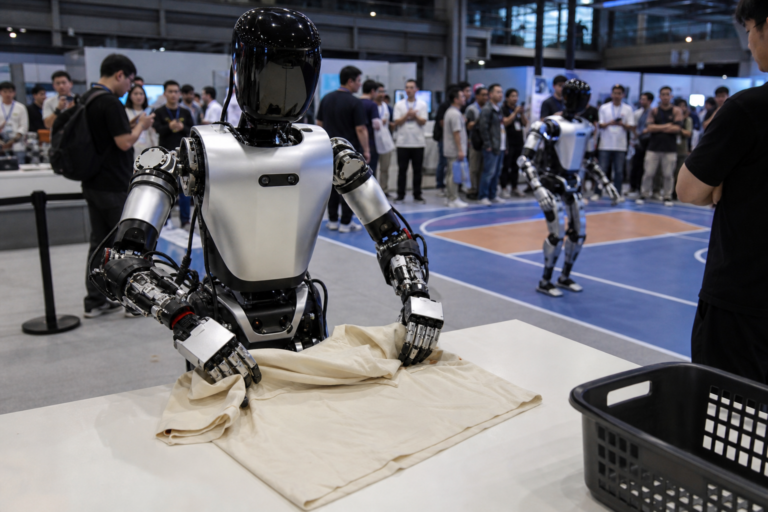
Gates said the labor-market effects could arrive more quickly and across more industries than earlier technological transitions. He called for governments to strengthen support for workers and communities affected by automation, and renewed his support for taxes on robots or AI use as one possible way to help fund that response.
He also proposed reserving certain work for people, particularly where human care or connection is central. Gates described the idea as “Human Reserved,” saying societies may decide that retaining human roles is worth some economic inefficiency.
On governance, Gates called for a new domestic and international framework capable of addressing AI’s effects across employment, national security, education, public health, energy and other sectors. He said cooperation among countries, including the United States and China, would be necessary because the risks are not confined by national borders.
Gates did not call for a unilateral halt to AI development. He wrote that global economic and geopolitical incentives make a broad slowdown unlikely, and argued instead for rules designed to steer the technology toward broad public benefit while limiting its dangers.