The agency said 6,000 gloves will give officers another way to control people who resist. Sixteen senators, led by Nevada Democrat Catherine Cortez Masto, raised safety, oversight and civil-rights concerns.
U.S. Immigration and Customs Enforcement has awarded a $16.7 million no-bid contract for 6,000 gloves capable of delivering electric shocks, moving forward hours after a group of senators asked the agency to drop the planned purchase.
The contract with Kentucky-based Compliant Technologies LLC was signed Wednesday, August 26, and posted in a federal database Thursday, August 27. It covers the gloves, related equipment and services over six months.
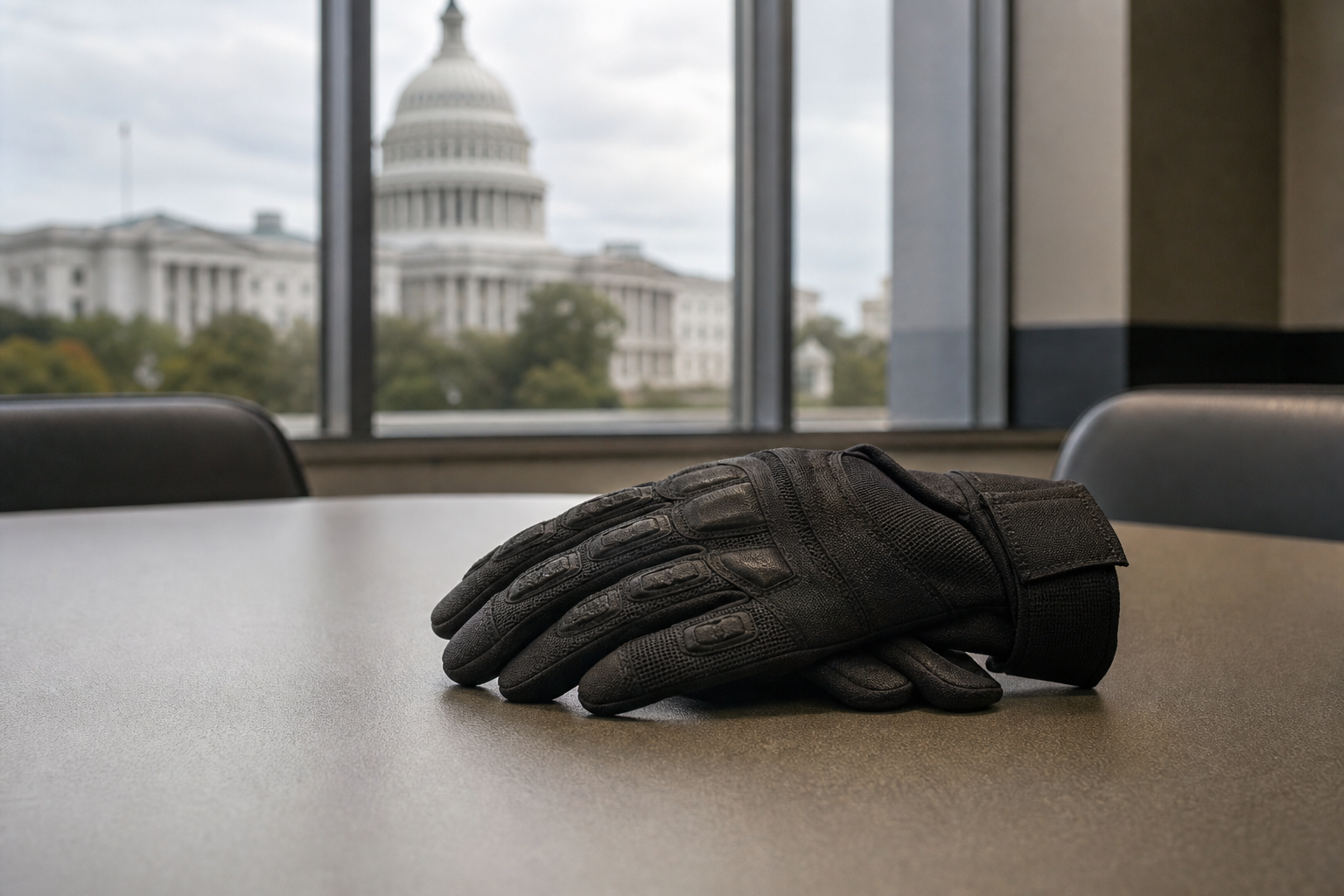
ICE describes the devices as a lower-impact option for agents dealing with people who are actively or passively resisting during arrests, detainee transports and disturbances near detention facilities. The gloves operate as regular patrol gloves until an officer activates an electrical mode; direct contact with bare skin is required to deliver a painful shock.
The agency said the tools could help officers gain control quickly and reduce the need for more severe force, including firearms. Procurement documents say the devices would be governed by policy, training and accountability standards, but do not spell out those safeguards in detail.
Sen. Catherine Cortez Masto of Nevada and 15 other members of the Democratic caucus, including independent Sen. Angus King of Maine, had urged ICE’s acting director to cancel the purchase. Their letter questioned whether the agency needs the devices and whether it can deploy them safely during civil immigration enforcement.
The senators said that, if ICE proceeds, it should disclose its training rules, authorized uses and internal review procedures. The Department of Homeland Security responded that critics were seeking to deny federal law-enforcement officers safety equipment.
The gloves, marketed as the G.L.O.V.E., have previously been used by some local jails and police departments. The manufacturer’s guidance says they should not be used as punishment and places limits on use involving certain vulnerable people.