A divided Third Circuit panel rejected McIver’s legislative-immunity defense on two counts tied to a 2025 confrontation at a Newark ICE detention facility, while sending a broader third count back for further review.
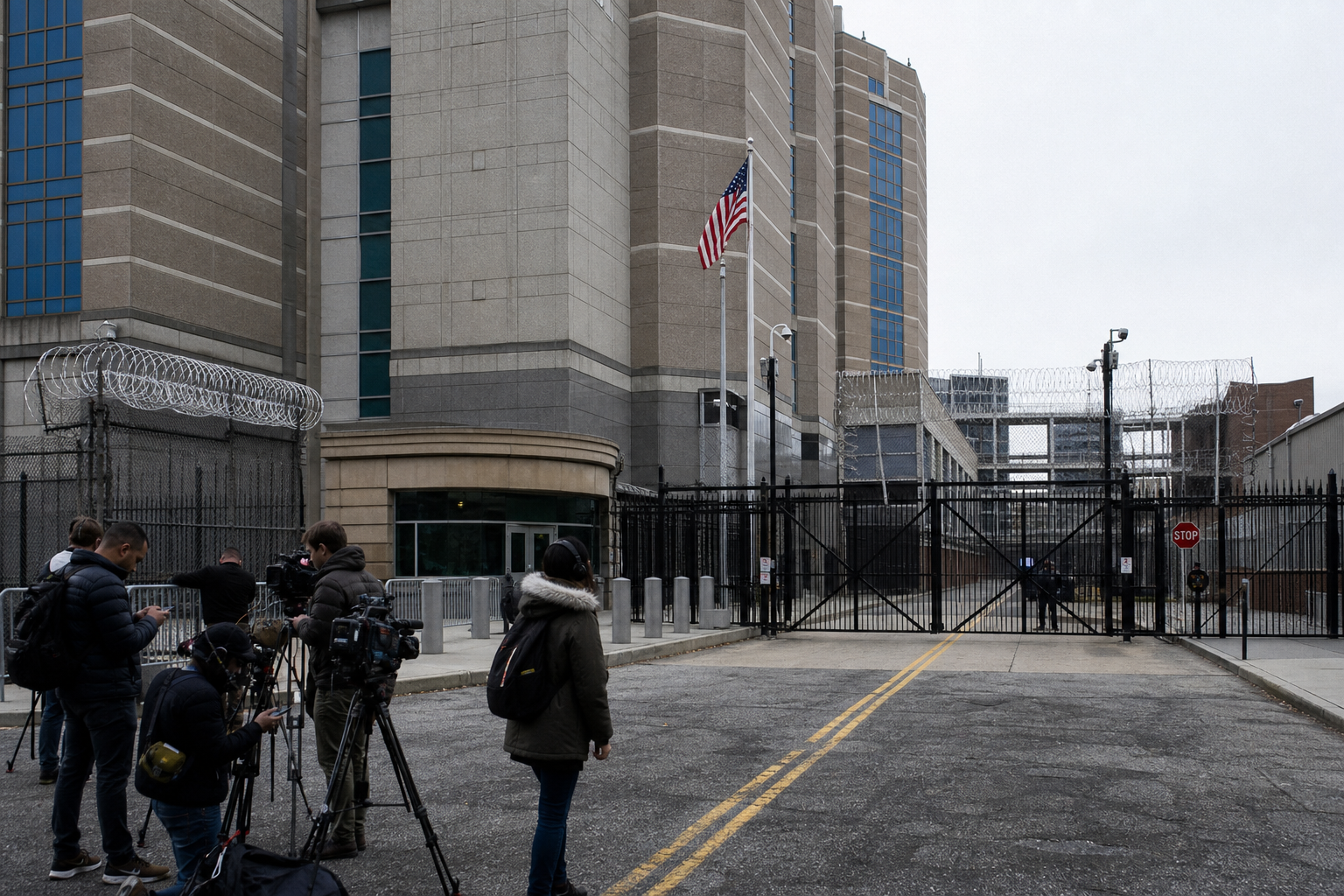
A federal appeals court ruled Wednesday that Rep. LaMonica McIver, a New Jersey Democrat, cannot use legislative immunity to block prosecution on two federal charges arising from a confrontation outside the Delaney Hall immigration detention facility in Newark in May 2025.
In a 2-1 decision, the U.S. Court of Appeals for the Third Circuit held that the two counts concern alleged physical conduct that was not protected legislative activity, even though the episode occurred during an oversight visit by McIver and other members of Congress.
Prosecutors allege McIver struck and grabbed a Homeland Security Investigations agent as officers arrested Newark Mayor Ras Baraka outside the facility. They also allege that she pushed past and struck an ICE deportation officer while returning through a secured gate. McIver has denied wrongdoing and argued that the prosecution interferes with Congress’s authority to oversee the executive branch.
The panel affirmed the lower court’s refusal to dismiss those two counts. It also sent a third, broader count back to the district court because that charge covers a wider range of alleged conduct, including conduct that may have occurred during the lawmakers’ inspection. The lower court must determine whether any protected legislative acts are implicated and whether the count can remain intact without them.
The majority also declined to review McIver’s claims that the case was selectively or vindictively brought, finding that portion of the appeal could not be heard before a final judgment. The ruling does not decide whether McIver committed the alleged acts or whether she is guilty of any charge.
Judge Thomas Ambro agreed that the first count was not shielded by legislative immunity and that the third count required further review. But he said the court should have ordered additional fact-finding on the second count, arguing that McIver’s contact with the ICE officer could have been incidental to her effort to reenter the facility for an authorized inspection. Ambro also said McIver should be allowed to seek discovery related to her claims of retaliatory prosecution.
McIver said the court “got it wrong” and that she was considering further options. Her criminal case now returns to the U.S. District Court for the District of New Jersey.